Tourism: Transforming Maui Nui
Focuses on Maui Nui, where rapid development and corporate tourism reshaped communities and resources.

A Region Transformed
Ua mau ke ea o ka ‘āina i ka pono—The life of the land is perpetuated in righteousness. For Maui Nui in the 1970s, this principle was challenged by unprecedented change. Maui County’s population surged by 64%, growing from 45,000 to 70,000 between 1970 and 1980, outpacing all other counties in Hawai‘i. This boom was driven by a real estate explosion and the rapid rise of tourism, transforming the region from an agricultural hub to a global tourist destination.
But this transformation came at a cost. The shift from agriculture to tourism created tensions over resource allocation, environmental impact, and the preservation of local identity. For many, the decade was defined by the struggle to balance economic growth with the need to protect Maui Nui’s unique character and natural beauty.
View the background image.
Kīhei Civic Development Plan
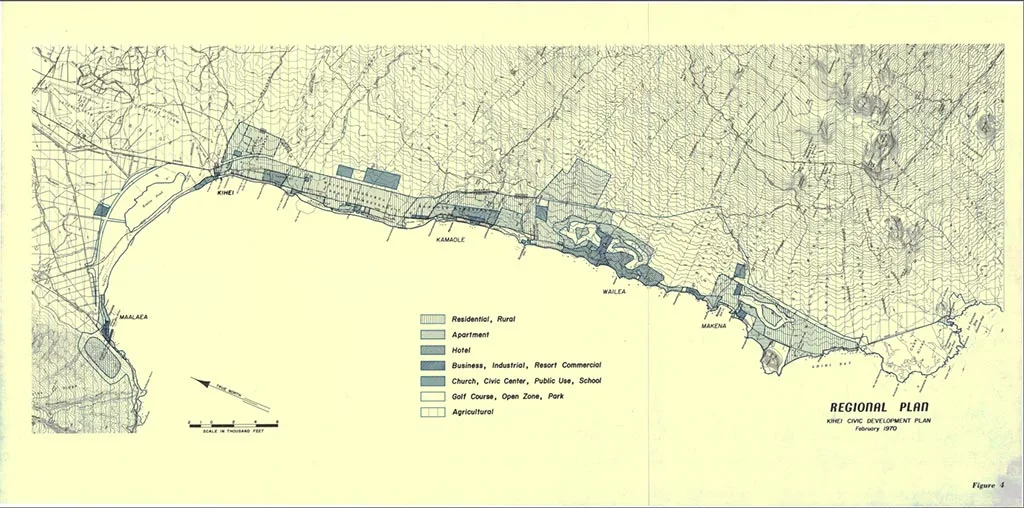
The Kīhei Civic Development Plan, created in 1970, was a blueprint aimed at guiding growth in one of Maui’s fastest-developing regions. As Kīhei transitioned from a quiet agricultural area to a bustling hub for tourism and residential development, the plan sought to balance economic progress with environmental and cultural preservation. It emphasized sustainable resort development, protected green spaces, and carefully managed infrastructure expansion to avoid the urban sprawl seen in Waikīkī.
Review a 1970 report prepared for Maui County’s Board of Water Supply by the Department of Land and Natural Resources’ Division of Water and Land Development.
Tourism and Development: Opportunity or Overreach?
As Maui embraced its new role as a tourist haven, large-scale development reshaped its landscapes. The Kīhe Civic Development Plan of 1970 sought to manage this growth, aiming to avoid the pitfalls of urban sprawl seen in Waikīkī. Stretching from Mā‘alaea to Mākena, the plan emphasized sustainable resort development while protecting Maui’s character.
Despite these intentions, tourism’s demands began to strain resources. Companies like Maui Land & Pineapple transitioned from agriculture to real estate and resort development, with the Kapalua Land Company leading efforts to transform former plantation lands into luxury destinations. Water, once used to irrigate pineapple fields, was redirected to support golf courses, hotels, and condominiums, igniting debates over resource management that continue today.
View the background image.
Tourism in Transition
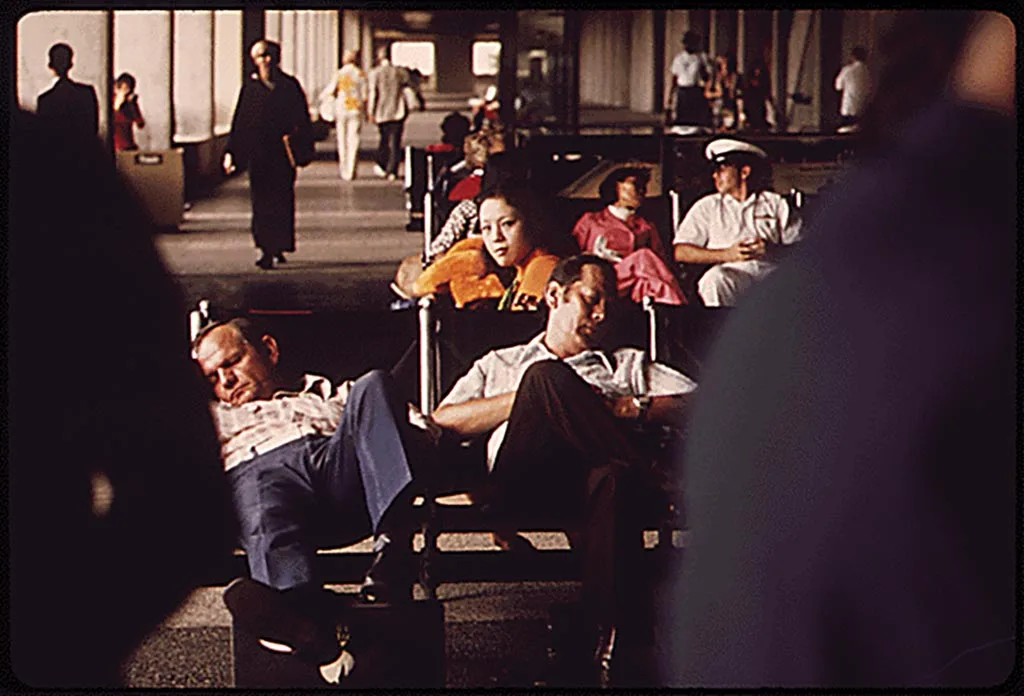
Tourism in the 1970s was both a pillar of Hawai‘i’s economy and a source of growing tension. By this time, the visitor industry had become the state’s primary economic driver, providing jobs and generating significant revenue. However, its rapid expansion brought challenges, including overcrowded beaches, displacement of residents due to resort construction, and environmental degradation. The industry’s reliance on low-wage jobs often left local workers struggling, while managerial roles were frequently filled by newcomers from the mainland and abroad. State planners recognized tourism’s importance but faced criticism for overdependence on the industry. Proposals to address these issues ranged from diversifying the economy to implementing policies that balanced economic growth with community well-being. Despite these efforts, tensions between development and preservation persisted, as did concerns about the long-term sustainability of Hawai‘i’s tourism-driven economy. Explore the opportunities and challenges of this critical era in Hawai‘i’s history in the Hawai‘i Observer (1977): The Costs and Benefits of the Visitor Industry in Hawai‘i.
Environmental Awareness and Corporate Ambitions
As tourism expanded, environmental preservation became a growing concern. Projects like the Kula Forest Reserve management plan highlighted the importance of watershed protection, while Act 139 created the Natural Area Reserves System to safeguard Hawai‘i’s fragile ecosystems. These efforts underscored a shift toward environmental stewardship, even as corporate interests pushed for further development.
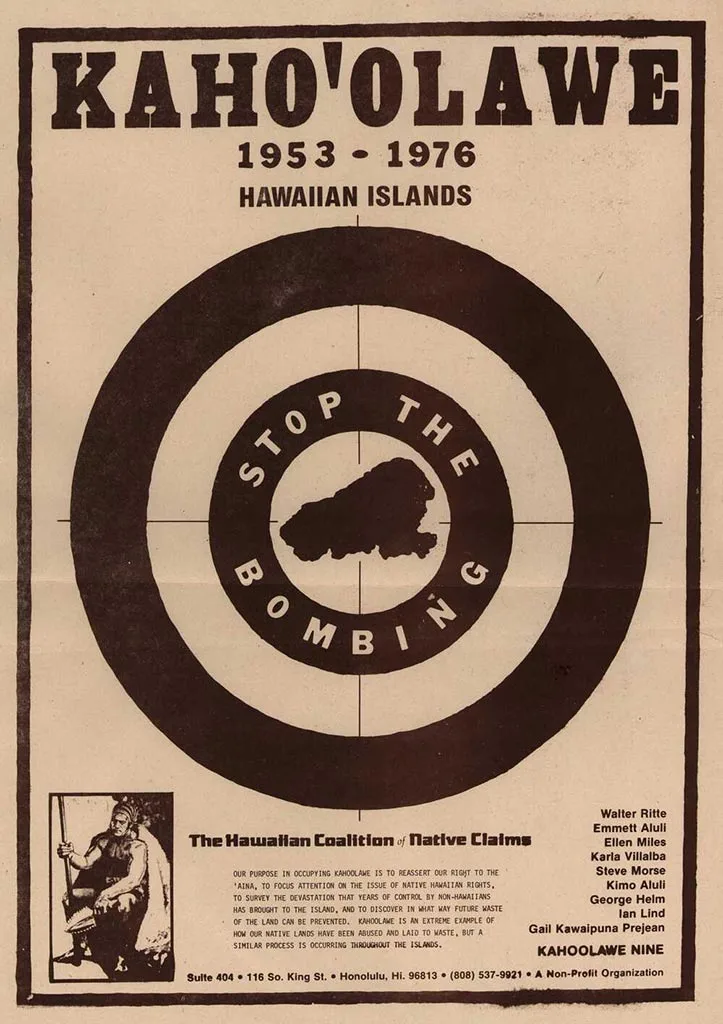
Nowhere was this tension more evident than on Kaho‘olawe. Used as a bombing range by the U.S. Navy since 1941, the island became a rallying point for Native Hawaiian activists. In 1976, members of the Protect Kaho‘olawe ‘Ohana landed on the island to demand an end to the bombing. Their actions sparked a broader conversation about environmental justice and cultural preservation, making Kaho‘olawe a symbol of resistance against unchecked development and military dominance.
View the background image.
The Protect Kaho‘olawe ‘Ohana (PKO)
PKO emerged in response to decades of U.S. Navy bombing on Kaho‘olawe. This grassroots movement combined environmental activism with Native Hawaiian cultural preservation, ultimately leading to the cessation of bombing in 1990.
Hawaiian activists and community leaders united to end the island’s use as a bombing range, calling for ecological recovery and affirming its place as a symbol of Hawaiian cultural identity. Learn more about Kaho‘olawe’s restoration in the 1976 issue of the Hawai‘i Observer: The Fight for Kaho‘olawe’s Restoration.
Read further coverage from the Hawai‘i Observer and an interview with Richard Sawyer and Walter Ritte, Jr. after their arrest.
Read an obituary for George Helm.
The Decline of Agriculture and Rural Challenges
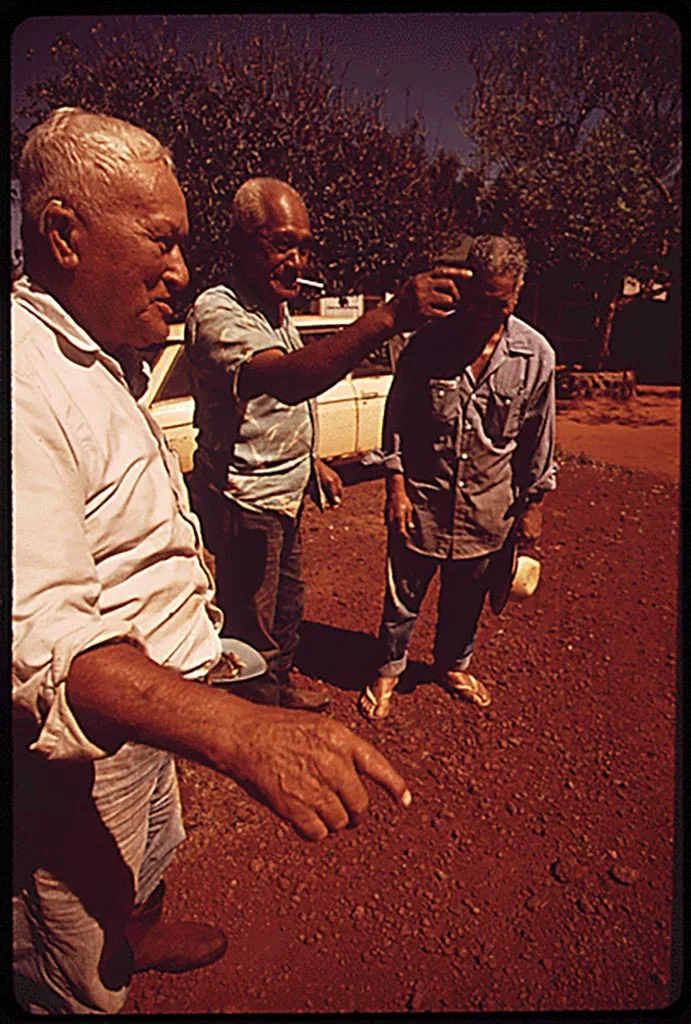
While tourism thrived, agriculture’s decline hit rural communities hard. On Moloka‘i, the closure of pineapple plantations devastated the local economy, leaving Hawaiian Homesteaders without a steady source of income. Reports as early as 1967 urged the island to diversify its economy, but efforts to transition from agriculture to tourism proved difficult.
Development initiatives, such as the Kaluako‘i Corporation’s ambitious plans for resorts and golf courses, promised growth but raised concerns about environmental impact and cultural displacement. Meanwhile, federally funded projects like Maui County’s Comprehensive Water Plan aimed to balance infrastructure needs with resource conservation, but tourism’s dominance left agriculture increasingly sidelined.
View the background image.
Kaluako‘i Development Project
The Kaluako‘i Development Project was a bold and controversial plan to transform Moloka‘i’s rural west side into a luxury resort destination. Spearheaded by the Kaluako‘i Corporation in the 1970s, the project included plans for upscale hotels, golf courses, and residential developments. It was intended to stimulate economic growth and create jobs for local residents as agriculture on the island declined. However, the project faced significant opposition from the Moloka‘i community, particularly Hawaiian Homesteaders, who raised concerns about environmental degradation, resource strain, and cultural displacement.
In 1976, the Hawai‘i Observer in Moloka‘i’s Fight for Water Rights detailed the ongoing struggle of Moloka‘i’s residents to preserve their water resources against the demands of the Kaluako‘i resort project, a battle symbolizing the island’s resistance to unchecked development and its commitment to community and cultural preservation
A Decade of Debate
The transformations of the 1970s forced Maui Nui to grapple with fundamental questions: How could the region grow without sacrificing its identity? Could tourism coexist with environmental and cultural preservation? These debates, from the fight to restore Kaho‘olawe to the luxury resorts of Kapalua, highlighted the complexities of balancing progress and sustainability.
Maui Nui’s challenges mirrored those faced across Hawai‘i, setting the stage for the reforms of the 1978 Constitutional Convention. The struggles over land, water, and identity during this pivotal decade remain central to the state’s ongoing efforts to navigate the delicate balance between growth and preservation.